YAMAHA 1FK-24181-00-00 Gas Fuel Tank Dampers
fits model: Vmax, 1200. make: Yamaha. year: 1986.
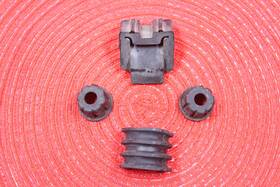
( Manufacturer Part Number: 1FK-24181-00-00 ), ( Country Of Origin: Japan ), ( Type: Gas Tank Dampers )
Review YAMAHA Oem Gas Fuel Tank Dampers fits VMAX 1200 1986
The **Yamaha 1FK-24181-00-00** is a meticulously engineered **1986 Yamaha V-Max 1200cc fuel tank damper**, a critical yet often overlooked component that plays a pivotal role in the bike s performance, comfort, and longevity. This part is specifically designed to fit the iconic **V-Max**, Yamaha s legendary big-twin cruiser that redefined power and handling in the late 1980s. The damper is crafted from high-quality materials, including durable rubber and reinforced steel components, ensuring it can withstand the rigors of high-speed riding, aggressive cornering, and the constant vibrations inherent in a 1200cc V-twin engine. Its primary function is to absorb and dampen the harsh oscillations generated by the fuel tank during acceleration, braking, and rough road conditions, thereby reducing fatigue for the rider and minimizing stress on the bike s frame and suspension. The design is both functional and subtle, blending seamlessly with the V-Max s aggressive, angular aesthetic while delivering superior ride quality. Whether you're restoring a classic V-Max to its former glory or maintaining one in peak condition, this damper is an essential upgrade or replacement part that ensures a smoother, more refined riding experience. Its compatibility with the 1986 model year underscores its importance for preserving the authenticity and performance of this legendary machine.
### **Pros and Cons of Buying a 1986 Yamaha V-Max 1200 (Model: 1FK-24181-00-00) with Gas Fuel Tank Dampers**
#### **Pros**
1. **Iconic Design and Legacy**
The Yamaha V-Max is one of the most recognizable and legendary motorcycles of the 1980s, known for its aggressive, futuristic styling. It holds a strong cultural and nostalgic appeal, making it a desirable collectible for enthusiasts.
2. **Strong Engine and Performance**
The 1,198cc parallel-twin engine (later models had a 1,200cc version) produces around **100 horsepower**, which was impressive for its time. The V-Max was built for high-speed stability and straight-line power, making it a fun ride on open roads.
3. **Durability and Reliability (When Well-Maintained)**
Yamaha built the V-Max with a focus on durability, using heavy-duty components like a forged crankshaft and a robust frame. Many original examples, especially those with proper maintenance records, can still run reliably today.
4. **Classic Bike Appeal**
The V-Max s unique "bullet-shaped" fuel tank and aggressive stance make it stand out in any garage. It s a conversation starter and a great choice for riders who appreciate vintage aesthetics.
5. **Modding Potential**
The V-Max has a strong aftermarket following, with options for engine upgrades, suspension modifications, and custom paintwork. Many parts are still available from Yamaha and third-party suppliers.
6. **Potential for Investment Value**
Well-preserved examples, especially those with original components and documentation, can appreciate in value over time, especially if they remain in good condition.
---
#### **Cons**
1. **High Maintenance Requirements**
The V-Max is not a "set-and-forget" bike. Its parallel-twin engine, while robust, requires regular attention to valve adjustments, chain tension, and carburetor tuning. Many owners report issues with **carburetor wear, fuel pump failures, and electrical gremlins** (especially in older models).
2. **Fuel Tank Dampers (Potential Weakness)**
The **gas tank dampers** (part of the fuel system) are known to fail over time, causing fuel starvation or erratic performance. These are not always easy to replace, and some aftermarket solutions may not be perfect.
3. **Poor Fuel Economy**
The V-Max drinks fuel like a thirsty beast expect **around 30-40 mpg (urban)**. For modern riders, this can be a significant drawback, especially if long-distance riding is a priority.
4. **Riding Position and Comfort**
The V-Max s aggressive, forward-leaning ergonomics are not comfortable for everyone. Long rides can lead to back and neck strain, and the high seat height may be difficult for shorter riders.
5. **Electrical Issues**
Many original V-Max models suffer from **corroded wiring, faulty switches, and unreliable ignition systems**. Upgrading to modern electronics (like digital ignition) is often necessary for reliability.
6. **Parts Availability and Cost**
While Yamaha still produces some parts, many original components (especially for the fuel system, carburetors, and electricals) can be **expensive or hard to find**. Restoring one to full working order may require significant investment.
7. **Weight and Handling**
At **over 600 lbs (270 kg)**, the V-Max is heavy, which affects maneuverability in tight spaces. While it handles well at highway speeds, city riding can be challenging.
8. **Emissions and Legal Restrictions**
Depending on the region, older bikes like the V-Max may face **emissions testing issues** or restrictions on modifications. Some areas require modernized exhaust systems or catalytic converters, which can be difficult to install.
9. **Resale Value Depends on Condition**
Unlike some classic bikes (e.g., Harley-Davidsons), the V-Max s resale value is **highly dependent on its originality and maintenance history**. A well-documented, restored example will hold value, but a neglected one may depreciate quickly.
10. **Modern Safety Concerns**
The V-Max lacks modern safety features like **traction control, ABS, or advanced braking systems**. While it was cutting-edge in the '80s, today s riders may find it lacking in safety compared to contemporary bikes.
---
### **Conclusion**
The **1986 Yamaha V-Max 1200** is a **fantastic choice for enthusiasts who prioritize nostalgia, style, and raw power** over modern convenience. It s ideal for riders who:
- Enjoy **classic bike culture** and don t mind extra maintenance.
- Plan to **ride it occasionally** rather than daily.
- Are prepared to **invest time and money** in restorations and upgrades.
- Appreciate **high-speed stability** and a **unique riding experience**.
However, it is **not the best choice** for:- Riders who want a **low-maintenance, modern bike**.
- Those who prioritize **fuel efficiency, comfort, or safety**.
- Buyers who expect **easy parts availability or quick resale value**.
- People who plan to **ride it heavily** without proper upkeep.
---
### **Recommendation**
If you re considering buying this V-Max:1. **Get a Professional Inspection** Have a Yamaha specialist or motorcycle mechanic thoroughly check the **engine, fuel system (especially dampers), electricals, and frame**.
2. **Check Maintenance Records** A bike with **complete service history** will be far more reliable and valuable.
3. **Budget for Restorations** Expect to spend **$2,000 $5,000 ** on repairs, upgrades, and potential fuel system modifications.
4. **Consider a Restoration Project** If you re mechanically inclined, this could be a rewarding long-term project rather than an immediate ride.
5. **Test Ride Thoroughly** Pay attention to **acceleration, fuel delivery, and handling** to ensure no hidden issues.
6. **Buy from a Reputable Seller** Look for listings from **trusted dealers, bike clubs, or private sellers with verifiable history**.
**Final Verdict:**The **1986 Yamaha V-Max 1200 is a fantastic collector s bike and a blast to ride for the right owner** but it demands **respect, patience, and investment**. If you re passionate about classic bikes and willing to put in the work, it s a **great purchase**. If you want a **modern, hassle-free motorcycle**, look elsewhere.
Details:
1986 YAMAHA VMAX 1200 OEM GAS FUEL TANK DAMPERS, PROBLEM. M-force race crafts. Removed From: 1986 Yamaha Vmax 1200 VMX1200 with miles, Please review all pictures to assess the condition of item.
part #: 1fk241810000 prices
- $10.00-$28.97
specifications fendeframat:
- for models: Vmax, 1200
- for makes: Yamaha
- for years: 1986
- mpn: 1fk-24181-00-00
- country of origin: Japan
- type: Gas Tank Dampers
shipping fendeframat:
- type: Fixed
- cost: $0.00
- transit: 4-7 Days
- class: Standard
- service: Standard
payments fendeframat:
- other
- wallet: Google-pay
- credit card: Diners-club
seller fendeframat:
- city: Las Vegas, Nevada
- # reviews: 1425
- rating: 99.6%
general fendeframat:
- Motorcycle Scooter Parts Accessories > Body Frame > Other Body Frame
- condition: Used
returns fendeframat:
- policy: Returns Accepted
- paid by: Seller
- time: 30 Days
offer fendeframat:
- started: March 26, 2026
- sold: 0
- best offers: True
- options: Ship-to-home
- quantity: 1
- availability: In Stock
Yamaha 1FK-24181-00-00 Is Similar To:
- 27d-2179w-00 Yamaha 2011 Stryker Xvs13c Rear Fender Copper Oem (20.8% similar) The listed shipping price is a calculated rate for the lower 48 states only. Color copper this rear fender is in good used condition, as pictured only has a few scratches see pictures. All used parts come as pictured...(November 12th, 2015)
- Yzfr1m 2ks-21510-00-00 Yamaha 2015 R1m Fender Oem Carbon 1863 Retail Fits 09-15 R1 Unobtainium Yec (37.3% similar) These actually retail for or yamaha does not have any for sale. Lightly used track day bike use some minor light scuffs on the clear coat that may buff out. So they are either manufactured by the gods. Very nice carbon fiber piece...(November 18th, 2015)
- 39w-21611-00-00 Yamaha Nos 1983 Yz125k 1984 Yz125l Oem Rear Fender Pn (43.9% similar) Nos yamaha 1983 YZ125K 1984 YZ125L oem rear fender pn 39W this item may show signs of use, have scratches or damage please see images...(February 7th, 2016)
- Yamaha 94211-19273 Tube 110 90 110 100-19tr4 Oem 94211-19273-00 (36.5% similar) It is as pictured. Please research all the specs needed for your application. Yamaha motorcycle 2009 YZ450F - YZ450FYL rear wheel. Items are represented as is. Items were bought in a new and used spare parts lot...(October 16th, 2023)
- 1880club Tube-30yf035 Fuel Gas Tank Cap Black For Yamaha Yzf600 Yzf1000 Fz1 Fz6 R1 R6 Ysr50 Fzr750 (24.8% similar) Fuel gas tank cap black for yamaha YZF600 YZF1000 FZ1 FZ6 r1 r6 YSR50 FZR750. Fuel gas tank cap black for yamaha YZF600 YZF1000 FZ1 FZ6 r1 r6 YSR50 FZR750 fitment. For yamaha SF r1 1998 - 2012 . Quick, easy installation. Material: all pieces are precision CBC machined from billet aluminum. Package ...(August 4th, 2024)
- Yamaha 1d7-21643-00-00 Used Oem Rear Stay Roadliner Stratoliner Deluxe 06-14 (41.7% similar) Yamaha used oem rear stay 1D7-21643-00-00 road liner straddling deluxe 06-14, good used rear stay. Mounting threads look good...(August 6th, 2024)
- Yamaha Bw3-f84r0-v0-00 Oem Brushed Silver Aluminum Skid Plate Kit Fits 2021 Tenere 700 (33.6% similar) It is specifically designed for yamaha tenure 700 and compatible with other model's as well. Crafted from high-quality aluminum, this skid plate kit is durable and built to last. The kit is designed to fit perfectly and features a sleek design that will complement the overall appearance of your bike...(August 6th, 2024)
- Yamaha Beb-2471a-00-00 New Oem R7 Yzf-r7 Seat Stay (44.2% similar) New oem yamaha r7 YZF-R7 seat stay BEB-2471A-00-00...(August 7th, 2024)
- Yamaha 90269-07077 Lot Of 6 Oem Rivet (40% similar) Lots of stuff being sold at wholesale / resell prices. Make sure it is exactly what you are wanting. Quick 2 day handling. We answer questions usually within 12 hours, quicker. What you see in the picture is what get. Have an issue. Nothing else is included...(August 12th, 2024)
- Yamaha 810-21771-01-00 Cap Oil Tank 1969-79 Lb50 Lb80 Rd60 Mx 100 125 175 Etc 810 296-21771-62 (33.1% similar) Yamaha part # 810-21771-01- 296-21771-01- 296-21771-62-00.: cap, oil tank. The parts have not been inventoried so I no idea whats out there...(August 15th, 2024)
- Yamaha 1d7-21359-00-00 Used Oem Coil Bracket Stratoliner Roadliner 06-14 (45.9% similar) Yamaha used oem coil bracket 1D7-21359-00-00 straddling road liner 06-14, good used coil bracket...(August 19th, 2024)