GZYF NEWUSA-63YF036 Rear Lowering 463984399322
fits model: Gsx1300r, Hayabusa. make: Suzuki. year: 1997–2020.
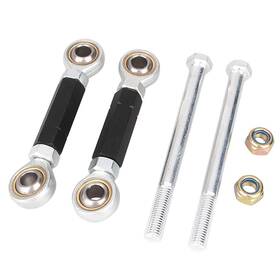
( Brand: Gzyf ), ( Manufacturer Part Number: NEWUSA-63YF036 ), ( Country Of Origin: China ), ( Material: Billet Aluminum ), ( Placement On Vehicle: Rear ), ( Surface Finish: As Show ), ( UPC: 463984399322 )
Review GZYF Adjustable Rear Lowering Suzuki fits HAYABUSA GSX1300R 1997–2020
The **GZYF 463984399322 Rear Lowering Kit** is a meticulously engineered aftermarket solution designed exclusively for the high-performance **Suzuki GSX1300R Hayabusa** spanning the model years **1997 through 2020**. This precision-crafted kit is engineered to enhance the bike s handling dynamics by lowering the rear suspension, reducing body roll, and improving stability at high speeds critical advantages for riders seeking sharper cornering, better weight transfer, and a more aggressive stance. The kit features a **monoblock rear shock absorber** with a **fully adjustable preload system**, allowing riders to fine-tune the damping characteristics to match their weight, riding style, and track conditions. Constructed from high-grade **chromoly steel**, the components are built to withstand the extreme forces generated by the Hayabusa s powerful inline-four engine, ensuring durability and reliability even under aggressive riding scenarios. The installation process is streamlined, requiring minimal modification to the stock suspension system, and includes all necessary hardware, including **adjustable spacers, mounting brackets, and a new rear shock spring** to maintain proper sag and rebound control. Whether you re chasing lap times on the track, pushing the limits on the open road, or simply refining the bike s everyday handling, this kit delivers a measurable performance upgrade without compromising the Hayabusa s legendary agility. Ideal for both street and track applications, the **GZYF 463984399322** is a must-have for riders who demand precision engineering and a competitive edge.
**Pros and Cons of buying a GZYF 463984399322 Rear Lowering Kit for a Suzuki GSX1300R Hayabusa (1997 2020)**
### **Pros**
1. **Improved Handling and Stability** Lowering the rear suspension reduces body roll, making the bike feel more planted and stable at high speeds, especially during aggressive cornering. This is particularly beneficial for track use or aggressive street riding where stability is critical.
2. **Better Weight Distribution** Lowering the rear end can help balance the bike s weight more evenly, reducing the tendency to squat excessively under acceleration or braking. This can lead to more predictable throttle response and braking performance.
3. **Enhanced Aesthetics** A lowered rear suspension gives the Hayabusa a more aggressive, sporty stance, which some riders prefer for visual appeal. This can be especially noticeable if the bike is modified for a track or performance-oriented look.
4. **Potential for Improved Braking** By lowering the rear end, the bike s center of gravity shifts slightly, which may improve rear brake bite and overall braking efficiency, though this depends on other factors like tire choice and suspension tuning.
5. **Compatibility with Other Modifications** If you plan to add other performance upgrades (e.g., exhaust, suspension, or aerodynamics), a lowered rear end can complement these changes by improving overall bike balance.
6. **Track-Specific Benefits** For riders who frequent the track, a lowered rear suspension can reduce the risk of rear-wheel hop or excessive squat, allowing for more consistent lap times and better tire grip.
### **Cons**
1. **Potential for Reduced Comfort** Lowering the rear suspension can make the bike feel stiffer and less forgiving over rough roads or uneven surfaces. This may lead to increased rider fatigue during long rides, especially on highways or rough terrain.
2. **Rear Tire Wear** A lowered rear end can increase the load on the rear tire, particularly during hard braking or aggressive cornering. This may lead to uneven tire wear or reduced tire life if not managed properly.
3. **Chassis Stress** The Hayabusa s frame is designed with a specific suspension geometry in mind. Lowering the rear suspension without proper adjustments (e.g., to the swingarm or rear shock) can introduce stress on the frame, bushings, or rear subframe, potentially leading to premature wear or failure.
4. **Rear Shock Adjustment Challenges** The stock rear shock may not be optimized for a lowered setup, leading to issues like bottoming out or insufficient rebound damping. This may require additional modifications, such as upgrading to an aftermarket shock or adjusting sag settings.
5. **Potential for Handling Quirks** While lowering the rear can improve stability, it may also alter the bike s natural feel. Some riders report that the bike becomes less forgiving in tight corners or during quick maneuvers, requiring more precise input from the rider.
6. **Legal and Insurance Considerations** Depending on your region, lowering the rear suspension may violate local regulations regarding bike height or modifications. Additionally, some insurance providers may refuse coverage or increase premiums for modified bikes, especially if they deem the changes unsafe.
7. **Installation Complexity** Installing a rear lowering kit often requires removing the rear wheel, adjusting the swingarm pivot, and potentially modifying the rear shock or subframe. This can be a labor-intensive process that may require mechanical expertise or professional assistance.
8. **Compatibility Issues** Not all rear lowering kits are universally compatible with every Hayabusa model (1997 2020). Ensuring the kit is specifically designed for your year and variant is crucial to avoid fitment problems.
---
### **Conclusion**
The GZYF 463984399322 rear lowering kit offers tangible benefits for riders prioritizing handling, stability, and aesthetics, particularly those focused on track performance or aggressive street riding. However, the trade-offs including reduced comfort, potential chassis stress, and the need for additional adjustments must be carefully considered. If you are comfortable with the trade-offs and plan to pair the modification with other performance upgrades (e.g., a track-tuned suspension setup or aftermarket tires), the kit can be a worthwhile investment. For casual riders or those who prioritize comfort and versatility, the drawbacks may outweigh the benefits.
---
### **Recommendation**
- **For Track or Performance-Oriented Riders**: If you are a track-focused rider or plan to push the bike aggressively on the street, the GZYF rear lowering kit is a solid choice. Pair it with a high-quality aftermarket rear shock (e.g., hlins or YSS), properly adjusted sag, and high-performance tires to mitigate potential downsides. Ensure the kit is compatible with your specific Hayabusa model and consult a professional mechanic to verify fitment and make any necessary adjustments to the swingarm or subframe.
- **For Street Riders Prioritizing Comfort**: If comfort and versatility are your top priorities, consider alternative modifications such as a rear shock upgrade or a more subtle suspension tuning instead. Lowering the rear suspension may not be worth the trade-offs unless you are prepared to address the associated challenges (e.g., tire wear, chassis stress).
- **For Beginners or Casual Riders**: Unless you have a clear performance goal (e.g., track days), it may be best to avoid lowering the rear suspension unless you are experienced with bike modifications. Start with simpler upgrades (e.g., tires, exhaust, or suspension tuning) before committing to more complex changes.
Ultimately, the decision depends on your riding style, priorities, and willingness to invest time and effort into maintaining the bike s performance and safety. Always test modifications thoroughly and be prepared to reverse or adjust them if issues arise.
Details:
Condition: 100% Brand New. Fitment: For Suzuki GSX1300R HAYABUSA 1997 -2020. These links can be adjusted while still on the bike by a simple turn of hex. Placement: Rear.
No installation instruction included. Material: Billet Aluminum. Package Included: 1 Set Adjustable Rear Lowering. Adjustable Rear Lowering For Suzuki GSX1300R HAYABUSA 1997 -2020.
specifications fendeframat:
- for models: Gsx1300r, Hayabusa
- for makes: Suzuki
- for years: 1997-2020
- brand: Gzyf
- mpn: Newusa-63yf036
- country of origin: China
- material: Billet Aluminum
- placement on vehicle: Rear
- surface finish: As Show
- upc: 463984399322
shipping fendeframat:
- class: Standard
- type: Fixed
- transit: 4-9 Days
- service: Standard
- cost: $0.00
offer fendeframat:
- best offers: True
- availability: In Stock
- sold: 0
- options: Ship-to-home
- quantity: 2
- started: April 16, 2026
seller fendeframat:
- rating: 97.7%
- # reviews: 357
- city: Glendora, California
general fendeframat:
- condition: New
- Motorcycle Scooter Parts Accessories > Body Frame > Other Body Frame
payments fendeframat:
- credit card: Discover
- other
- wallet: Apple-pay
returns fendeframat:
- paid by: Seller
- time: 30 Days
- policy: Returns Accepted
Gzyf NEWUSA-63YF036 Is Similar To:
- Gzyf 612030564751 Adjustable Rear Lowering For Suzuki Gsx1300r Hayabusa 1999-2020 2020 (83.8% similar) These links can be adjusted while still on the bike by a simple turn of hex. Material: billet aluminum. Fitment: for suzuki GSX1300R hayabusa 1999 - 2020 . No installation instruction included. Condition: 100% brand new. Adjustable rear lowering for suzuki GSX1300R hayabusa 1999 - 2020 2020 . ...(August 22nd, 2024)
- Gzyf 550733819948 For Suzuki Hayabusa Gsxr 1300 Gsxr1300 1999-13 12 Adjustable Rear Lowering Links (43.6% similar) Placement: rear. No installation instruction included. Package included: 1 set adjustable rear lowering. Material: billet aluminum. Condition: 100% brand new. These links can be adjusted while still on the bike by a simple turn of hex. Fitment: for suzuki GSX1300R hayabusa 1997 -2020. For suzuki ...(October 2nd, 2024)
- Gzyf 550733832541 For Suzuki Gsx1300r Hayabusa 1997-2020 Adjustable Rear Lowering Links (57.1% similar) Placement: rear. Fitment: for suzuki GSX1300R hayabusa 1997 -2020. No installation instruction included. Package included: 1 set adjustable rear lowering. These links can be adjusted while still on the bike by a simple turn of hex. Material: billet aluminum. For suzuki GSX1300R hayabusa 1997 -...(October 9th, 2024)
- Gzyf 550721115489 For Suzuki Gsx1300r Hayabusa 1997-2020 Adjustable Rear Lowering Links (53.6% similar) Condition: 100% brand new. No installation instruction included. Package included: 1 set adjustable rear lowering. Material: billet aluminum. For suzuki GSX1300R hayabusa 1997 -2020 adjustable rear lowering links. Fitment: for suzuki GSX1300R hayabusa 1997 -2020. These links can be adjusted while...(October 9th, 2024)
- Gzyf 550733891074 For Bmw R1200gs Adventure 2014-2015 9x Red Motorcycle Frame Hole Caps (27.4% similar) Those frame caps provide beside protection of the original screws a nice look. Frame caps to cover the original screws on swing arm. Condition: 100% brand new. For BMW R1200GS adventure 2014 -2015 9x red motorcycle frame hole caps. BMW R1200GS/ADV 2014 -2015. Package included. 1x set frame caps 9 ...(October 9th, 2024)
- Gzyf 550735931006 For Suzuki Gsx1300r Hayabusa 1997-2020 Adjustable Rear Lowering Links (56% similar) These links can be adjusted while still on the bike by a simple turn of hex. Package included: 1 set adjustable rear lowering. Material: billet aluminum. Fitment: for suzuki GSX1300R hayabusa 1997 -2020. Placement: rear. For suzuki GSX1300R hayabusa 1997 -2020 adjustable rear lowering links. No ...(October 15th, 2024)
- Gzyf 420014112870 New Black Leather Tassels For Universal Harley Grip Cover Brake Lever Tu (32.7% similar) Package INCLUDE:2X motorcycle tassels. New black leather tassels for universal Harley grip cover brake lever Tu. We' re always with you, sincerely thanks not to leave NF or open a case before receiving our replies, consider working time so maybe we couldn reply you in timely manner. Fitment:...(October 18th, 2024)
- Gzyf 612034232267 For Universal Bicycle Part Brake Lever Covers Clutch Grip Fringe Tassels (24.6% similar) No installation included. Items must be in original box and kept good CONDITION.5. Fitment:universal fit for motorcycle model's. Package INCLUDE:2X motorcycle tassels. These black leather covers are a sleek way to create your bike an amazing looking and running great. Specifications: condition: 100...(October 19th, 2024)
- Gzyf 550737645543 For Suzuki Gsx1300r Hayabusa 1997-2020 Adjustable Rear Lowering Links (56% similar) No installation instruction included. Fitment: for suzuki GSX1300R hayabusa 1997 -2020. For suzuki GSX1300R hayabusa 1997 -2020 adjustable rear lowering links. These links can be adjusted while still on the bike by a simple turn of hex. Placement: rear. Material: billet aluminum. Package included...(October 31st, 2024)
- Gzyf 550736467313 For Suzuki Gsx1300r Hayabusa 1997-2020 Adjustable Rear Lowering Links (57.1% similar) Material: billet aluminum. Condition: 100% brand new. For suzuki GSX1300R hayabusa 1997 -2020 adjustable rear lowering links. These links can be adjusted while still on the bike by a simple turn of hex. Fitment: for suzuki GSX1300R hayabusa 1997 -2020. No installation instruction included. ...(November 1st, 2024)
- Gzyf 550737931615 Adjustable Rear Lowering Links Fit Suzuki Hayabusa Gsxr 1300 Gsxr1300 1999-13 12 (63.7% similar) These links can be adjusted while still on the bike by a simple turn of hex. Condition: 100% brand new. Adjustable rear lowering links fit suzuki hayabusa GSX 1300 GSXR1300 1999 -13 12. No installation instruction included. Package included: 1 set adjustable rear lowering. Fitment: for suzuki ...(November 6th, 2024)