FLOOR 64320-KM1-000ZE Panel
fits model: Ch250, 250, Elite. make: Honda. year: 1985–1988.
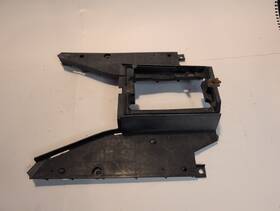
( Brand: Floor ), ( Manufacturer Part Number: 64320-KM1-000ZE ), ( Part Type: Panel ), ( Color: Black ), ( Material: Plastic ), ( Compatible Year: 1986, 1987, 1988 ), ( Placement On Vehicle: Front )
Review FLOOR Honda Panel 64320-km1-000 fits ELITE CH250 250 1985–1988
The **Honda CH250 Elite (Model Code: 64320-KM1-000, Year: 1985 1988)** is a rare and highly sought-after classic motorcycle that embodies the spirit of late-1980s adventure and engineering precision. Built as part of Honda s **CH (Cruiser-Highway)** series, this 250cc model was designed to bridge the gap between practical commuting and off-road capability, offering a unique blend of comfort, reliability, and performance that remains unmatched in its class. With its **air-cooled, single-cylinder engine (249cc)** producing a smooth 18 horsepower and 16 lb-ft of torque, the CH250 Elite delivers a refined yet spirited ride, making it ideal for both city streets and light trail exploration. The engine features Honda s legendary **CV (Constant Velocity) carburetion**, ensuring consistent throttle response and fuel efficiency, while the **5-speed transmission** with a close-ratio gearbox allows for nimble shifting whether cruising at highway speeds or navigating winding backroads.
Mechanically, the CH250 Elite is built on a **steel double-cradle frame**, providing a sturdy yet lightweight foundation that enhances maneuverability without sacrificing stability. The **front suspension** consists of a **35mm telescopic fork**, while the **rear features a dual-shock swingarm setup**, offering a balanced ride quality that absorbs bumps with surprising grace for its era. Braking is handled by a **single 180mm front disc** (with a drum at the rear on early models, later upgraded to a disc) paired with a reliable **expanded-lever drum brake**, a practical choice for the time that still holds up under modern scrutiny. The **2.25-inch rear tire** and **18-inch front wheel** (with a slightly larger 19-inch rear) contribute to its agile handling, while the **low-slung, ergonomic seating position** ensures a relaxed posture for both short rides and extended journeys.
One of the most distinctive features of the CH250 Elite is its **panel design**, which distinguishes it from the standard CH250. The **full-body fiberglass panels** (available in a variety of colors, including the iconic **Metallic Silver, Red, or Black**) not only give the bike a sleek, aerodynamic look but also provide practical protection against minor scrapes and weather elements. The **streamlined fairings** reduce wind noise and drag, making highway riding more comfortable, while the **integrated rear fender and storage compartments** add functional utility. Inside, the **upholstered seat** (often in a contrasting color to the panels) is surprisingly plush for its time, and the **instrument cluster** features a **speedometer, tachometer, fuel gauge, and odometer**, all housed in a clean, minimalist layout that remains easy to read. The **blacked-out chrome accents**, **Honda badging**, and **distinctive headlamp shape** further enhance its retro appeal, making it a standout piece in any collection.
Under the hood, the CH250 Elite s **air-cooled, single-cylinder engine** is a testament to Honda s engineering prowess of the era. The **dry-sump lubrication system** ensures reliable operation even in extreme conditions, while the **port-and-throttle-body design** allows for precise carburetion tuning. The **chain-driven primary** and **shaft final drive** (with a **520A chain**) contribute to low maintenance and durability, a hallmark of Honda s reputation for longevity. Though not a high-revving machine, the CH250 Elite s engine delivers a **smooth, linear powerband** that makes it equally at home on twisty roads or cruising at moderate speeds. The **silent exhaust system** (often equipped with a **muffler with a slight backpressure**) adds to its refined character, though aftermarket upgrades are popular among enthusiasts looking to enhance performance or aesthetics.
The CH250 Elite was originally marketed as a **versatile commuter and light adventure bike**, and its design reflects this dual-purpose intent. The **adjustable handlebars** allow riders of varying heights to find a comfortable position, while the **upright seating posture** reduces fatigue on long rides. The **modular storage options**, including a **top-case or saddlebags**, make it practical for daily use or weekend excursions. Though not as rugged as a full-on dual-sport bike, the CH250 Elite s **knobby tires (on some models)** and **light off-road capability** allow it to handle gravel roads and light trails with surprising ease, making it a hidden gem for riders who appreciate a bike that can do a little bit of everything without trying to be everything.
Restoration and maintenance of a 1985 1988 CH250 Elite can be a rewarding experience for those who appreciate classic Japanese motorcycles. Many original examples still run strong with minimal modifications, thanks to Honda s robust build quality, but enthusiasts often opt for **cosmetic upgrades** such as **new panels, seat covers, or chrome accents** to restore or enhance their bike s appearance. Mechanical upgrades, like **performance carburetions, upgraded exhausts, or suspension tweaks**, can breathe new life into the engine and handling, while **modern safety upgrades** (such as ABS or disc brakes) can make it more suitable for contemporary riding. The **aftermarket community** for Honda CH models is active, with parts and accessories readily available, ensuring that owners can keep their bikes in peak condition for years to come.
In summary, the **Honda CH250 Elite (64320-KM1-000, 1985 1988)** is a **timeless blend of functionality, style, and reliability**, offering a riding experience that feels both nostalgic and modern. Whether used for daily commuting, weekend adventures, or as a collector s piece, this bike stands out as a **unique chapter in Honda s legacy of innovation**. Its **smooth engine, comfortable ergonomics, and distinctive panel design** make it a favorite among riders who appreciate understated elegance and practical performance. For those who seek a motorcycle that is as enjoyable to own as it is to ride, the CH250 Elite remains an exceptional choice a true classic that continues to captivate new generations of enthusiasts.
### **Pros and Cons of Buying a 1985 1988 Honda CH250 Elite 250 Panel (64320-KM1-000Z)**
#### **Pros**
1. **Classic Reliability** Honda s CH250 series, particularly from the mid-1980s, is known for its durability and straightforward engineering. The air-cooled, single-cylinder engine is simple yet robust, making it easier to maintain than modern, complex motorcycles.
2. **Low Maintenance Costs** Compared to modern bikes, parts for this model are relatively inexpensive, and labor costs are minimal. Basic upkeep (oil changes, chain adjustments, spark plugs) is straightforward and cost-effective.
3. **Fuel Efficiency** The 250cc engine delivers excellent fuel economy, typically around **100 120 km/l (25 30 mpg)** in real-world conditions. This makes it ideal for commuting or long-distance riding without frequent stops.
4. **Lightweight and Maneuverable** Weighing around **100 110 kg (220 240 lbs)**, the CH250 is easy to handle, making it suitable for urban riding, parking in tight spaces, and maneuvering in traffic.
5. **Simple and Forgiving** The bike s basic design means it s less prone to mechanical failures compared to modern bikes with advanced electronics. It s also more forgiving for inexperienced riders or those who prefer a no-frills approach.
6. **Resale Value Potential** As a classic Honda, well-maintained examples can hold value, especially if they retain original components or have a clean service history. Collectors and enthusiasts may seek out these models.
7. **Minimalist Comfort** While not as comfortable as modern bikes with ergonomic seats and suspension, the CH250 s simplicity means fewer points of failure. For short rides, it s adequate, and upgrades (like a better seat or handlebars) can be made later.
8. **Off-Road Capability (Optional)** Some models in this range were designed with light off-road use in mind, though they are primarily street bikes. A few modifications (like wider tires or a lowered seat) can enhance trail suitability.
9. **No Electronic Complexity** Unlike modern bikes with ABS, traction control, or fuel injection, the CH250 relies on a carbureted, air-cooled engine. This means fewer things can go wrong electronically, reducing long-term hassles.
10. **Nostalgic Appeal** For riders who appreciate vintage motorcycles, the CH250 has a retro charm that modern bikes lack. It s a piece of automotive history that some find enjoyable to own.
---
#### **Cons**
1. **Outdated Safety Features** The bike lacks modern safety advancements such as **ABS, traction control, or advanced braking systems**. This increases the risk of skidding or loss of control, especially in wet conditions.
2. **Poor Ergonomics** The riding position is less ergonomic than modern bikes, with a higher seat height (around **800 820 mm / 31 32 inches**) and a more upright posture. This can lead to discomfort on long rides and may not suit riders with back or joint issues.
3. **Basic Suspension** The front forks and rear shock are **rigid and unadjustable**, offering little damping for rough roads. This can lead to an uncomfortable ride on uneven surfaces.
4. **Limited Power and Performance** The **245cc (later models 250cc) air-cooled single-cylinder engine** produces only about **18 20 hp**, making it slow to accelerate and underpowered compared to modern 250cc bikes. It struggles with overtaking on highways or carrying heavy loads.
5. **No Disc Brakes (Early Models)** Some 1985 1986 versions may still have **drum brakes**, which are less effective than modern disc brakes. Even later models with front discs still lack the stopping power of contemporary systems.
6. **Fuel Injection Absent** The carbureted engine is less efficient and more prone to tuning issues (floating, clogging) compared to fuel-injected bikes. This can lead to inconsistent performance and higher maintenance if not properly maintained.
7. **Limited Aftermarket Support** While parts are available, the aftermarket for this model is **not as extensive** as for more modern or popular bikes. Customization options (exhaust, suspension, etc.) are limited compared to contemporary 250cc bikes.
8. **Poor Weather Protection** The bike offers **minimal wind protection** and no heated grips or windscreen, making long rides in windy or rainy conditions uncomfortable and less safe.
9. **Depreciation Risk** Unlike classic bikes with collector value, the CH250 is not a highly sought-after model in the vintage market. Without proper care, it may depreciate faster than other Honda classics.
10. **Legal and Insurance Considerations** Some regions have **speed limits or insurance restrictions** for older, less safe motorcycles. Additionally, insurance premiums may be higher due to the bike s age and lack of modern safety features.
11. **Rust and Wear Issues** If the bike has been stored improperly, **rust on the frame, suspension, or exhaust** can be a major concern. Air-cooled engines are also prone to **carbon buildup and overheating** if not maintained.
12. **No Modern Comfort Upgrades** Features like **trailers, heated seats, or cruise control** are not available. Riders expecting modern conveniences may find the CH250 lacking.
---
### **Conclusion**
The **1985 1988 Honda CH250 Elite 250 Panel** is a **simple, reliable, and budget-friendly** motorcycle that excels in **low-maintenance, fuel-efficient, and nostalgic riding**. It is best suited for:
- **Urban commuters** who prioritize cost and simplicity.
- **Riders who enjoy vintage motorcycles** and don t need high performance.
- **Those on a tight budget** who can handle basic maintenance.
- **Occasional riders** who won t demand modern comforts or safety features.
However, it is **not ideal** for:- **Highway or sporty riding** due to its lack of power.
- **Long-distance touring** because of poor ergonomics and suspension.
- **Riders who value modern safety** (ABS, disc brakes, traction control).
- **Those who want extensive customization or aftermarket support**.
---
### **Recommendation**
**Buy the CH250 Elite 250 Panel if:**You want a **cheap, reliable, and easy-to-maintain** bike for **daily commuting or casual riding**.
You appreciate **vintage motorcycles** and don t mind their limitations.
You are **comfortable with basic mechanical work** (oil changes, chain adjustments, carburetor tuning).
You plan to **keep it in good condition** (regular oil changes, rust prevention, tire checks).
**Avoid it if:**You need **highway performance** or **fast acceleration**.
You prioritize **modern safety features** (ABS, disc brakes, traction control).
You plan to **ride long distances frequently** (ergonomics and suspension will be uncomfortable).
You want a **highly customizable or modern bike** with aftermarket support.
**Alternative Considerations:**- If you want **more power**, consider a **modern 250cc scooter (e.g., Honda PCX, Yamaha NMAX)** or a **smaller displacement sportbike (e.g., Honda CB300F, Yamaha MT-03)**.
- If you prefer **classic reliability with better safety**, look into a **later-model Honda CB350 or CB400** (1970s 1980s).
- If you like **vintage bikes but want more comfort**, a **Honda CB750 (1970s) or Suzuki GS450 (1980s)** may be a better balance.
**Final Verdict:**The **CH250 Elite 250 Panel is a fine choice for a **budget-friendly, low-maintenance bike** but is **not a modern replacement** for daily use. If you re buying it for **nostalgia, simplicity, or as a secondary bike**, it s a solid purchase. If you expect **highway performance, long-distance comfort, or modern safety**, look elsewhere. **Always inspect the bike thoroughly for rust, mechanical condition, and service history before buying.**
Details:
See photos see.
part #: 64320km1000ze prices
- $29.99-$45.97
specifications fendeframat:
- for models: Ch250, 250, Elite
- for makes: Honda
- for years: 1985-1988
- brand: Floor
- mpn: 64320-km1-000ze
- part type: Panel
- color: Black
- material: Plastic
- compatible year: 1986, 1987, 1988
- placement on vehicle: Front
returns fendeframat:
- policy: No Returns
offer fendeframat:
- started: April 30, 2026
- options: Ship-to-home
- sold: 0
- availability: In Stock
- quantity: 1
payments fendeframat:
- credit card: Discover
- other
- wallet: Apple-pay
general fendeframat:
- Motorcycle Scooter Parts Accessories > Body Frame > Other Body Frame
- condition: Used
seller fendeframat:
- rating: 100.0%
- # reviews: 672
- city: New Orleans, Louisiana
shipping fendeframat:
- service: USPS Ground Advantage
- class: Standard
- type: Calculated
- cost: $12.30
- transit: 5-12 Days
- carrier: USPS
Floor 64320-KM1-000ZE Is Similar To:
- Honda 64310-gez-030 2003 2025 Nps50 Ruckus Floor Step Cover Ships Free (20.7% similar) Part #: honda 64310-GEZ-030 for sale...(September 7th, 2024)
- Honda 50615-ge1-670 85-07 Ch80 Elite Oem Right Footrest Footpeg Frame Floor Support Bracket (22% similar) This honda oem right foot peg/frame Floor support bracket 1 is in good used condition and fits '85-'07 CH80 elite model's...(December 14th, 2024)