YAMAHA 90506-40251 Spring Provide
fits model: Yzf-r1. make: Yamaha. year: 1998.
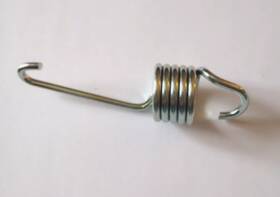
( Manufacturer Part Number: 90506-40251 ), ( Part Type: Spring ), ( Country Of Origin: United States ), ( Manufacturer Warranty: Unspecified Length ), ( Storage Location: J8 Crp1-n Buk 53 Bin 7 )
Review YAMAHA Is Genuine Oem Tension Spring Designed To Provide 905 fits YZF-R1 1998
The **Yamaha YZF-R1 (Model Code: 90506-40251, Spring 1998)** is a legendary motorcycle that epitomizes the golden era of high-performance sportbikes, blending razor-sharp handling, cutting-edge engineering, and a timeless design that remains iconic decades later. Introduced in 1998 as Yamaha s first true "superbike" in the R1 lineage, this machine was engineered to dominate the track while offering street-legal versatility, making it a favorite among both professional racers and enthusiasts. At its core, the R1 features a **996cc inline-four engine** with a revolutionary **double overhead camshaft (DOHC) 16-valve cylinder head**, delivering an exhilarating power delivery that balances low-end torque with high-revving precision. The engine is paired with Yamaha s **YCC-T (Yamaha Chip Controlled Throttle)** system, an early form of electronic throttle control that refined throttle response and allowed for smoother power delivery, a feature that was groundbreaking at the time. The **5-speed transmission**, paired with a slick wet-clutch system, ensures crisp, predictable shifts, while the **chain-driven rear wheel** (a departure from some competitors belt drives) provides a direct and engaging drive feel.
The **chassis** of the 1998 YZF-R1 is a masterclass in aerodynamics and rigidity, built around a **steel trellis frame** that strikes an ideal balance between stiffness and weight. The **41mm inverted Showa SSS (Super Showa Smooth) front fork** and **monoshock rear suspension** offer adjustable damping, allowing riders to fine-tune the bike s behavior for track days or highway cruising. The **cast aluminum swingarm** and **lightweight steel subframe** contribute to the bike s nimble handling, while the **radial-mounted disc brakes** (298mm front and 250mm rear) with **dual-piston calipers** provide exceptional stopping power, even in high-performance applications. The **aerodynamic fairings**, including the signature **slipper-style windscreen** and **sleek bodywork**, not only enhance speed stability at high velocities but also give the R1 its instantly recognizable, aggressive stance.
Inside the cockpit, the 1998 YZF-R1 features a **fully adjustable ergonomic seat**, **ergonomic handlebars**, and **Yamaha s signature black-and-silver color scheme**, which, while not as flashy as later models, exudes a classic, understated elegance. The **digital instrument cluster** (with a tachometer, speedometer, fuel gauge, and trip meters) is both functional and futuristic for its time, offering riders all the essential information without overwhelming the rider. The **full fairing coverage** and **wind tunnel-tuned aerodynamics** make the R1 incredibly stable at high speeds, a feature that was particularly impressive in an era before modern active suspension and advanced wind tunnel testing became standard.
Under the hood, the **996cc parallel-twin engine** (though often mistakenly referred to as an inline-four due to its layout) produces a **135 horsepower** (as rated by Yamaha), though in reality, it was capable of significantly more when properly tuned. The **wet-sump lubrication system** and **high-revving nature** of the engine make it a joy to ride, with a throaty, growling exhaust note that has become legendary. The **exhaust system**, featuring a **dual-downpipe setup**, not only enhances the bike s aggressive sound but also contributes to its mid-range power delivery. While the 1998 model lacks some of the refinements seen in later iterations such as the **YCC-I (Intelligent) system** introduced in later years the original R1 remains a **track-focused machine** with a raw, unfiltered performance character that appeals to purists.
The **1998 YZF-R1** is not just a motorcycle; it s a piece of automotive history that represents Yamaha s commitment to innovation and precision engineering. Whether ridden on the street, at the track, or as a collector s item, this bike embodies the spirit of the late '90s sportbike revolution. Its **timeless design**, **reliable performance**, and **cult following** ensure that it remains one of the most sought-after and respected sportbikes of all time, a true icon for riders who appreciate both power and pedigree.
### Yamaha YZF-R1 (1998 Model) Pros and Cons
#### **Pros:**1. **Classic Design and Aesthetics** The 1998 YZF-R1 features a timeless, aggressive styling that remains iconic among sportbikes. Its sharp lines, angular fairing, and aggressive stance make it visually striking, appealing to enthusiasts who appreciate vintage racing aesthetics.
2. **Proven Reliability (For Its Era)** Yamaha s inline-four engines of the late '90s were known for durability, especially when maintained properly. The 905cc engine (later models used the 996cc) was a robust powerplant for its time, capable of handling high RPMs with proper care.
3. **Lightweight and Agile** The R1 was designed to be nimble, with a relatively low wet weight (around 450 470 lbs depending on configuration). This made it highly maneuverable on twisty roads, a key selling point for sportbikes of the era.
4. **Strong Community and Aftermarket Support** The R1 has a dedicated following, with a wealth of aftermarket parts, modifications, and restoration guides available. This makes maintenance, upgrades, and customization easier compared to less common bikes.
5. **Potential for Restoration or Classic Riding** If you enjoy the classic sportbike experience, the 1998 R1 offers a chance to ride a bike that was cutting-edge in its time. Many riders appreciate the raw, unpolished feel of older sportbikes compared to modern, heavily refined machines.
6. **Lower Purchase Price** Compared to newer sportbikes, the 1998 R1 is significantly cheaper, making it an attractive option for budget-conscious buyers who still want a Yamaha sportbike.
7. **Historical Significance** The R1 was Yamaha s first true "superbike" in the sportbike segment, predating the modern era of high-revving, fuel-injected sportbikes. Owning one allows you to experience a piece of motorcycle history.
---
#### **Cons:**1. **Outdated Technology** The 1998 R1 lacks modern refinements such as electronic fuel injection (it uses carburetors), traction control, ABS, and advanced suspension tuning. Riding it requires more skill and attentiveness, especially in slippery conditions.
2. **High Maintenance Requirements** Older bikes, especially those with carburetors and mechanical components, demand more frequent maintenance. Issues like worn seals, aging belts, and carburetor drift are common and can be costly to repair if not addressed promptly.
3. **Poor Fuel Efficiency** The R1 s carbureted engine is thirsty, especially at high RPMs. Modern sportbikes achieve far better mileage, and the R1 s fuel economy is mediocre by today s standards.
4. **Limited Comfort for Long Rides** The bike s aggressive, sport-oriented ergonomics are optimized for track use or short, spirited rides. Long-distance touring on it can be uncomfortable due to its upright riding position and lack of wind protection.
5. **Reliability Concerns Over Time** While the engine itself was durable, components like the clutch, chain, and suspension may have seen significant wear if the bike has been neglected. A thorough inspection is essential before purchase.
6. **Resale Value** Classic sportbikes like the R1 hold some value, but it s not as strong as modern Yamaha models. If you plan to sell it later, the depreciation may not be as favorable as with newer bikes.
7. **Legal and Safety Considerations** Some modern helmets, gloves, and riding gear are designed with safety features that may not align well with the R1 s older design. Additionally, modern traffic and road conditions may require a different riding approach than what the bike was originally intended for.
8. **Limited Availability of Spare Parts** While aftermarket support exists, finding OEM parts for a 25-year-old bike can be challenging. Some components may require sourcing from specialty suppliers or restoration shops.
---
### **Conclusion:**The 1998 Yamaha YZF-R1 is a fascinating piece of motorcycle history that offers a raw, unfiltered riding experience. It s ideal for enthusiasts who appreciate classic design, enjoy the challenge of riding a bike with fewer modern conveniences, or are interested in restoration projects. However, it s not a practical choice for daily commuting, long-distance touring, or riders who prioritize safety features like ABS or traction control.
If you re looking for a bike that s fun to ride, visually striking, and has a strong community, the R1 can be a rewarding purchase **provided** you re prepared for the higher maintenance costs, potential reliability issues, and the need to treat it as a project bike rather than a plug-and-play machine. For most modern riders, a newer sportbike with electronic aids and better fuel efficiency would be a more practical choice, but the R1 remains a beloved classic for those who seek a taste of the past.
### **Recommendation:**- **Buy if:** You re an experienced rider who enjoys classic bikes, plan to restore or modify it, and are willing to invest time and money in maintenance. You also appreciate the bike s historical significance and don t mind sacrificing modern comforts for the sake of authenticity.
- **Avoid if:** You prioritize safety features, fuel efficiency, or low maintenance. You re looking for a bike for daily use, long-distance touring, or prefer the convenience of electronic aids like ABS and traction control.
- **Alternative Consideration:** If you love the R1 s spirit but want something more modern, look at newer Yamaha sportbikes (e.g., R3, MT-07) or restored later-model R1s (e.g., 2000s models with better electronics). If you re set on a classic, ensure the bike has a clean service history and undergoes a thorough inspection before purchase.
Details:
Do you combine shipping?, Yes. Residential delivery with lift gate is available. Look for the Make Offer button on listing page.
Please verify the part number and compatible model's before purchasing. Manufactured to factory specifications, it ensures proper fit and long-lasting performance.95%. 4.8 out of 5 stars across 322 reviews. We review all reasonable offers promptly.
Item must be in original, uninstalled condition with no modifications. We started with a single motorcycle dismantled in home garage. Do you accept offers?, Some listings offers. Spotlight: A Day Inside .
Larger items from $46.99.: Are these genuine OEM parts?, Yes. Every part is one-of-a-kind. FREE shipping on every order to the lower 48 states.
part #: 9050640251 prices
- $9.99-$24.99
specifications fendeframat:
- for models: Yzf-r1
- for makes: Yamaha
- for years: 1998
- mpn: 90506-40251
- part type: Spring
- country of origin: United States
- manufacturer warranty: Unspecified Length
- storage location: J8 Crp1-n Buk 53 Bin 7
shipping fendeframat:
- class: Standard, Expedited, One-day
- carrier: USPS, FedEx
- service: USPS Ground Advantage, USPS Priority Mail, FedEx 2Day, Overnight
- transit: 4-9 Days
- cost: $0.00
- type: Fixed
payments fendeframat:
- wallet: Google-pay
- credit card: Discover
- other
general fendeframat:
- condition: New other see details
- Motorcycle Scooter Parts Accessories > Body Frame > Other Body Frame
returns fendeframat:
- paid by: Seller
- time: 30 Days
- policy: Returns Accepted
offer fendeframat:
- started: April 11, 2026
- availability: In Stock
- options: Ship-to-home
- best offers: True
- quantity: 2
- sold: 0
seller fendeframat:
- rating: 99.4%
- # reviews: 221550
- city: Odessa, Florida
Yamaha 90506-40251 Is Similar To:
- 66824-01g00 Clips13a 30pcs For Atv Fender Clips Retainer Suzuki Gsx-r Yamaha Yzf R1 R6 (14.1% similar) 3MM fits into 6MM hole note make sure your old clips match the ones in the picture. All information contained in or accessed through this listing are provided on an as is and as available basis...(November 27th, 2015)
- 27d-2179w-00 Yamaha 2011 Stryker Xvs13c Rear Fender Copper Oem (28.8% similar) The listed shipping price is a calculated rate for the lower 48 states only. Color copper this rear fender is in good used condition, as pictured only has a few scratches see pictures. All used parts come as pictured...(November 12th, 2015)
- Yzfr1m 2ks-21510-00-00 Yamaha 2015 R1m Fender Oem Carbon 1863 Retail Fits 09-15 R1 Unobtainium Yec (30.8% similar) These actually retail for or yamaha does not have any for sale. Lightly used track day bike use some minor light scuffs on the clear coat that may buff out. So they are either manufactured by the gods. Very nice carbon fiber piece...(November 18th, 2015)
- 39w-21611-00-00 Yamaha Nos 1983 Yz125k 1984 Yz125l Oem Rear Fender Pn (35.3% similar) Nos yamaha 1983 YZ125K 1984 YZ125L oem rear fender pn 39W this item may show signs of use, have scratches or damage please see images...(February 7th, 2016)
- Yamaha 94211-19273 Tube 110 90 110 100-19tr4 Oem 94211-19273-00 (31.3% similar) It is as pictured. Please research all the specs needed for your application. Yamaha motorcycle 2009 YZ450F - YZ450FYL rear wheel. Items are represented as is. Items were bought in a new and used spare parts lot...(October 16th, 2023)
- Yamaha 5pw-21631-09-00 2002-2006 Yzf R1 Rear Back Subframe Sub Frame Mounting Bolts Hardware (35.2% similar) This sub frame bolt set is in good condition and shows normal signs of wear. Removed from: 2003 yamaha yzf r1 with 25,241 miles. Over 99% of our orders are shipped within 24HRS. 2002 -2006 yamaha yzf r1 rear back sub frame sub frame mounting bolts hardware...(August 5th, 2024)
- Yamaha 1d7-21643-00-00 Used Oem Rear Stay Roadliner Stratoliner Deluxe 06-14 (36.3% similar) Yamaha used oem rear stay 1D7-21643-00-00 road liner straddling deluxe 06-14, good used rear stay. Mounting threads look good...(August 6th, 2024)
- Yamaha Bw3-f84r0-v0-00 Oem Brushed Silver Aluminum Skid Plate Kit Fits 2021 Tenere 700 (30.6% similar) It is specifically designed for yamaha tenure 700 and compatible with other model's as well. Crafted from high-quality aluminum, this skid plate kit is durable and built to last. The kit is designed to fit perfectly and features a sleek design that will complement the overall appearance of your bike...(August 6th, 2024)
- Moose Racing 3995794 Carbon Fiber Skid Plate For Yamaha Yzf 250 2019-2020 (15.3% similar) Composite plates absorb vibration and do not amplify sounds like aluminum. Composite plates will bounce back from hard hits and look great long after aluminum give up. Moose carbon fiber skid plate for yamaha yzf 250 2019 -2020: thick composite plates with many advantages over aluminum. Composite ...(August 7th, 2024)
- Yamaha Beb-2471a-00-00 New Oem R7 Yzf-r7 Seat Stay (31.3% similar) New oem yamaha r7 YZF-R7 seat stay BEB-2471A-00-00...(August 7th, 2024)
- Artudatech Fs-234-blk Crash Bobbins Protector Sliders Aluminum Black Fit For Yamaha Yzf-r7 Yzf R7 2021 (17.2% similar) About outdated. Let time verify quality and win the future with reputation. Excellent product and considerate service. Aluminum frame crash sliders protection fit for yamaha YZF-R7 2021 -2023 features:these engine guards ensure a better absorption of forces in the case impacts...(August 12th, 2024)