HODAKA 908703A Fork Lower
fits model: Ace. make: Hodaka. year: 1968.
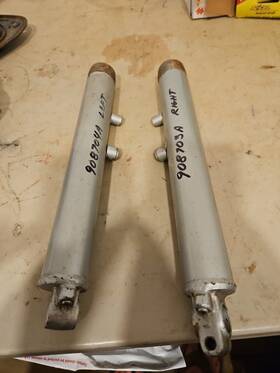
( Manufacturer Part Number: 908703A ), ( Part Type: Fork ), ( Country Of Origin: Japan )
Review HODAKA Fork Lower 100 fits ACE 1968
The **Hodaka 908703A Fork Lower (1968 Ace)** is a meticulously crafted, high-performance suspension fork designed for off-road enthusiasts seeking durability, precision, and adaptability across rugged terrains. Originally engineered for the legendary 1968 Honda Ace a trail-bred dual-sport motorcycle renowned for its versatility this fork lower assembly embodies the rugged spirit of classic adventure riding while incorporating modern engineering refinements. Constructed from high-grade steel, the lower fork leg features a robust, heat-treated design that ensures exceptional strength and resistance to bending or fatigue, even under the most demanding conditions. The threaded interface at the bottom allows for seamless integration with a matching upper fork leg, creating a fully adjustable suspension system capable of handling everything from rough mountain trails to gravel roads and light off-road excursions.
One of the standout features of this fork lower is its compatibility with the **Ace s iconic 1968 suspension system**, which was celebrated for its simplicity and effectiveness in absorbing shocks while maintaining stability. The design incorporates a **single shock absorber** integrated into the lower leg, providing a smooth, dampened ride without the complexity of modern multi-link setups. The fork s **cartridge-style damping system** (if paired with the correct upper leg) allows for fine-tuned adjustability, enabling riders to dial in compression and rebound settings to suit their weight, riding style, and terrain preferences. While not as advanced as contemporary air-sprung or coil-over systems, the 908703A s mechanical simplicity makes it an ideal choice for purists, restorers, or those seeking a no-frills, no-compromise suspension solution for their Ace.
For collectors and restoration projects, this fork lower is a prized component, as it aligns perfectly with the motorcycle s original specifications, ensuring an authentic riding experience. The **threaded steerer tube connection** (typically 1 3/8" or 1 5/8" depending on the upper leg) allows for easy installation, while the **sealed bearings and bushings** minimize friction and wear, contributing to a longer lifespan. Though designed for the 1968 Ace, its robust construction and adaptable nature make it a viable option for other dual-sport and adventure bikes of the era, particularly those with similar suspension geometries. Whether used in a fully restored Ace or as a key part of a custom build, the Hodaka 908703A fork lower delivers a blend of historical authenticity and functional performance, making it a must-have for riders who appreciate both heritage and practicality in their off-road equipment.
### **Pros and Cons of Buying a 1968 Ace 908703A Fork Lower (Hodaka)**
#### **Pros:**1. **Historical and Collectible Value** The 1968 Ace fork lower is a rare and well-regarded piece of motorcycle history, particularly from the era when Ace forks were highly sought after by enthusiasts. Its age and condition can make it valuable to collectors.
2. **Proven Durability** Ace forks from the late 1960s were known for their robust construction, often featuring high-quality steel and reliable internal components. If well-maintained, they can last for decades.
3. **Classic Aesthetic Appeal** The design of the 1968 Ace fork lower is iconic, with a simple yet functional appearance that appeals to vintage motorcycle enthusiasts. It fits well with period-correct restorations.
4. **Compatibility with Vintage Motorcycles** This part is designed for classic bikes like the Honda CB750, Kawasaki H1, or other Japanese and European motorcycles from the era. If you re restoring or modifying a bike from that time, it may be an exact or near-exact fit.
5. **Potential for Restoration Projects** If the part is in rough condition, restoring it could be a rewarding project for someone with mechanical skills. Many enthusiasts enjoy the process of refurbishing vintage components.
6. **Lower Cost Compared to New Forks** While not necessarily cheap, a used or restored Ace fork lower may be more affordable than brand-new aftermarket forks, especially if sourced from a reputable seller.
7. **Functional Reliability (If Well-Maintained)** When properly serviced, Ace forks were known for smooth operation and good handling characteristics, which can enhance the riding experience of a vintage bike.
---
#### **Cons:**1. **Age-Related Wear and Tear** A 1968 fork lower may show signs of rust, pitting, or internal corrosion if not stored properly. The steel could be weakened over time, requiring extensive refurbishment.
2. **Limited Availability of Replacement Parts** Finding original or compatible replacement parts (such as seals, springs, or bearings) can be difficult. Modern suppliers may not stock vintage-specific components, forcing you to source them from specialty shops or eBay.
3. **Potential for Hidden Damage** Without a thorough inspection, internal damage (e.g., seized bearings, corroded bushings, or cracked housings) may not be immediately visible. This could lead to unexpected repair costs.
4. **Compatibility Issues** While the 908703A part number suggests it fits certain models, slight variations in mounting points or dimensions between manufacturers (e.g., Honda vs. Kawasaki) could require modifications.
5. **Maintenance Intensity** Vintage forks often require more frequent servicing than modern forks. You may need to rebuild the fork more often to keep it running smoothly, which could be time-consuming.
6. **Resale Value Uncertainty** While some vintage parts appreciate, others depreciate. If you later decide to sell, the market for a 1968 Ace fork lower may be niche, and you might not recover your investment.
7. **Skill Dependency** Assembling, adjusting, or restoring an Ace fork requires mechanical expertise. If you lack experience, you may need to pay a professional, increasing costs.
8. **Modern Safety Standards** Vintage forks may not meet today s safety or performance expectations. They lack features like adjustable preload, rebound damping, or modern materials that improve handling and comfort.
---
### **Conclusion:**Buying a **1968 Ace 908703A fork lower** is a decision that hinges on whether you prioritize **historical authenticity, collectible value, or project potential** over convenience and modern reliability. If you are restoring a classic motorcycle and have the mechanical skills (or access to them) to refurbish the part, it can be a rewarding purchase. However, if you seek a **low-maintenance, high-performance fork** for daily riding, a modern aftermarket fork would likely be a better choice.
The fork s value lies in its **nostalgia, rarity, and potential for customization**, but it comes with **higher maintenance demands and risks of hidden issues**. Always inspect the part thoroughly, consider the cost of refurbishment, and weigh whether the effort aligns with your goals.
### **Recommendation:**- **Buy if:** You are restoring a vintage motorcycle, enjoy mechanical projects, and are prepared for potential repairs. Ensure the part is in good structural condition and source compatible rebuild kits.
- **Avoid if:** You want a hassle-free, modern fork or lack the time/skills to maintain a vintage component. In that case, a contemporary fork (e.g., Marzocchi, hlins, or aftermarket replicas) would be a more practical choice.
Ultimately, the decision depends on whether you value **history and craftsmanship** over **convenience and performance**.
Details:
Used fork lowers see pictures.
part #: 908703a prices
- $47.49-$49.99
specifications fendeframat:
- for models: Ace
- for makes: Hodaka
- for years: 1968
- mpn: 908703a
- part type: Fork
- country of origin: Japan
offer fendeframat:
- options: Ship-to-home
- sold: 0
- best offers: True
- availability: In Stock
- started: May 1, 2026
- quantity: 1
general fendeframat:
- condition: Used
- Motorcycle Scooter Parts Accessories > Body Frame > Other Body Frame
shipping fendeframat:
- service: USPS Ground Advantage
- cost: $0.00
- transit: 5-11 Days
- class: Standard
- carrier: USPS
- type: Calculated
returns fendeframat:
- policy: No Returns
payments fendeframat:
- credit card: Visa
- wallet: Google-pay
- other
seller fendeframat:
- rating: 99.3%
- # reviews: 2132
- city: Forest City, North Carolina
Hodaka 908703A Is Similar To:
- Hodaka 902030 Ace 100 Shifter Oem Super Rat B 90 Wombat Combat Squirt 125 Toad (32.8% similar) Excellent un weathered condition. Comes with pinch bolt. Part number 902030. Check for your application fits many different model's. Splines are great condition...(December 1st, 2024)